



WELCOME
The purpose of the not-for-profit Aesthetic Realism Foundation is to meet the urgent need for people throughout the world to see each other and reality fairly. Aesthetic Realism, the philosophy founded in 1941 by the American poet and critic, Eli Siegel, is a tremendous education in how to have that fairness.
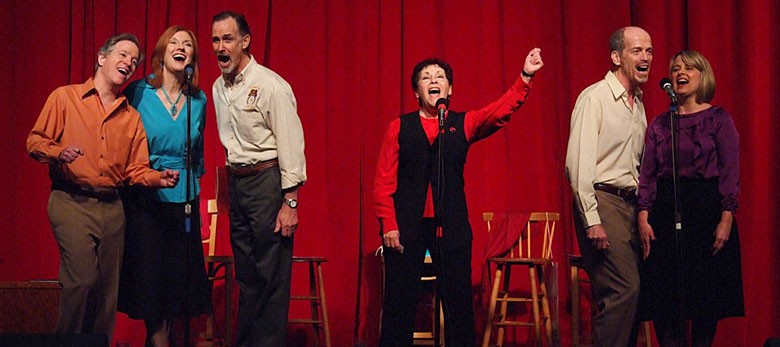
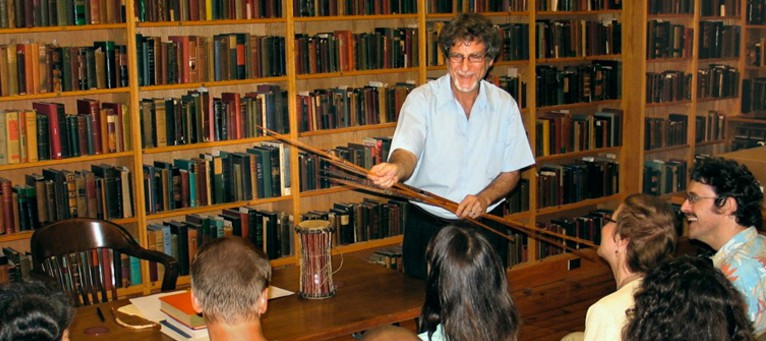
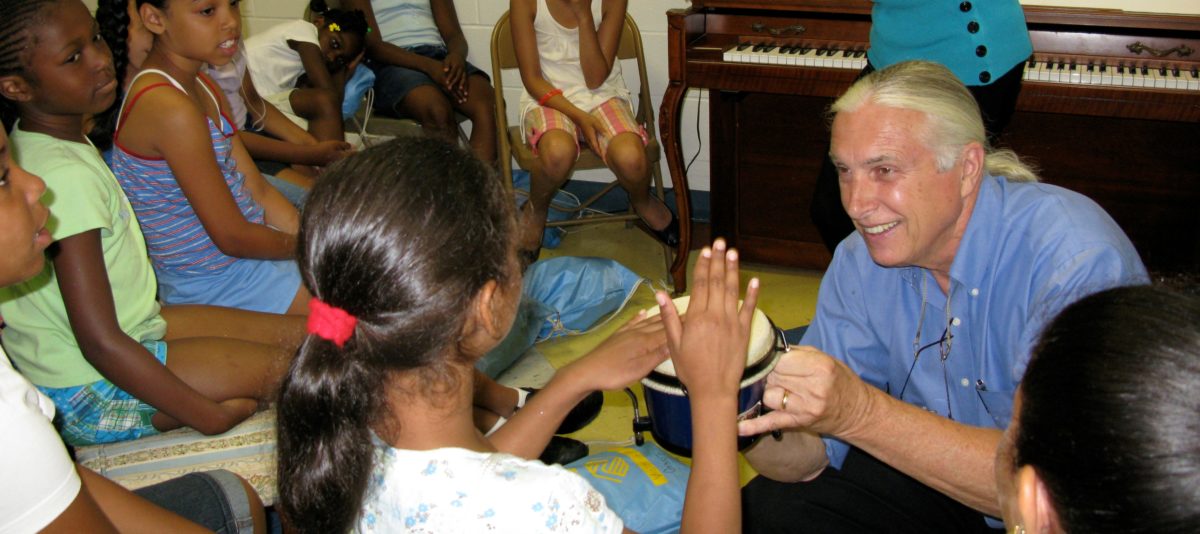
Located in SoHo, NYC, the Foundation offers an exciting curriculum of classes—see the listing below—and individual consultations by video conference. When public events resume, there will be seminars and vibrant theatrical presentations. Through the principles of Aesthetic Realism, people of all ages understand themselves newly. Read more
Registration for Spring-Summer 2024 classes via video conference: Mon, Apr 22 — Thu, May 2
- The Aesthetic Realism Explanation of Poetry
- Anthropology Is about You & Everyone
- The Visual Arts & the Opposites
- The Aesthetic Realism Teaching Method
- The Opposites in Music
- “If It Moves, It Can Move You”: Opposites in the Cinema
- Understanding Marriage!
A Letter of Hope & Urgency, by Margot Carpenter, Aesthetic Realism Consultant, Executive Director
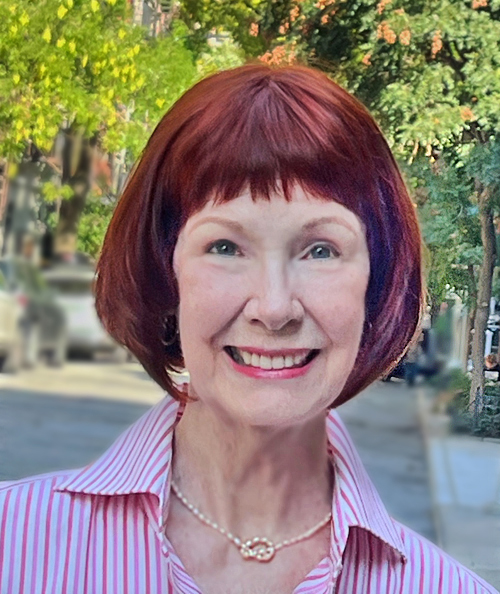
“At this time, when people are more aware than ever that justice is desperately needed in America and the world, I’m proud to be writing to you about the education that can have that justice really be ! It is Aesthetic Realism, founded by the great American philosopher, critic, and poet Eli Siegel. And it is based on this landmark principle: “All beauty is a making one of opposites, and the making one of opposites is what we are going after in ourselves.” Read more
“Like of the World versus Racism”
—was published in the summer of 2020, a crucial time in history. It explains three hugely important things: 1) the cause of all prejudice and racism; 2) the state of mind we need to have as we think about other people if we’re going to be just to them—including, very much, people who look different from us; 3) how the way of seeing in all true art is utterly opposed to racism. The means by which people’s minds and feelings can really change from prejudice to justice is in this issue of The Right of Aesthetic Realism to Be Known! Read more
 TWEET TICKER
BLOG UPDATE
Steve Weiner, computer specialist and Aesthetic Realism associate, writes: This issue of The Right of Aesthetic Realism to Be Known is about two things that people most often feel are worlds apart: the thought of the great philosophers and your life as you immediately live it every day! A big question philosophy has tried to understand is: do our lives have a central, inherent purpose that’s with us wherever we go, whatever we do?…
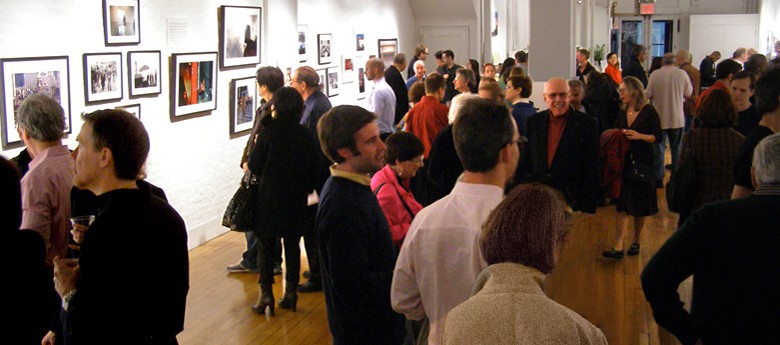
Terrain Gallery
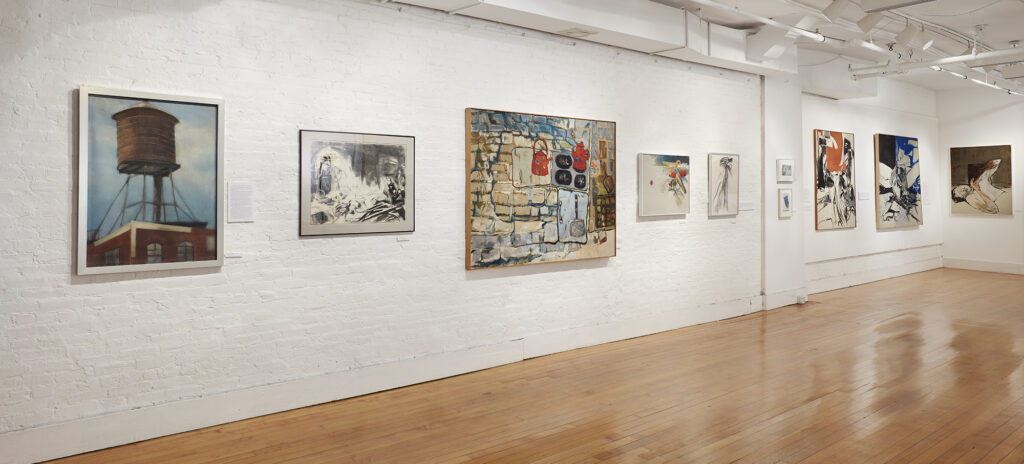
Gallery Hours: Wed, Fri & Sat 1-5 PM
DOROTHY KOPPELMAN
Paintings, Prints, Drawings